info@BostonNeuropathyCenter.com
148 Linden St, Suite 101 Wellesley, MA
Call +17812357391
🇺🇸 English
Our mission at Boston Spine & Neuropathy Center is to help each patient achieve optimum health with our new innovative approach that changes lives.
Error: Contact form not found.
+48 4348 80 32
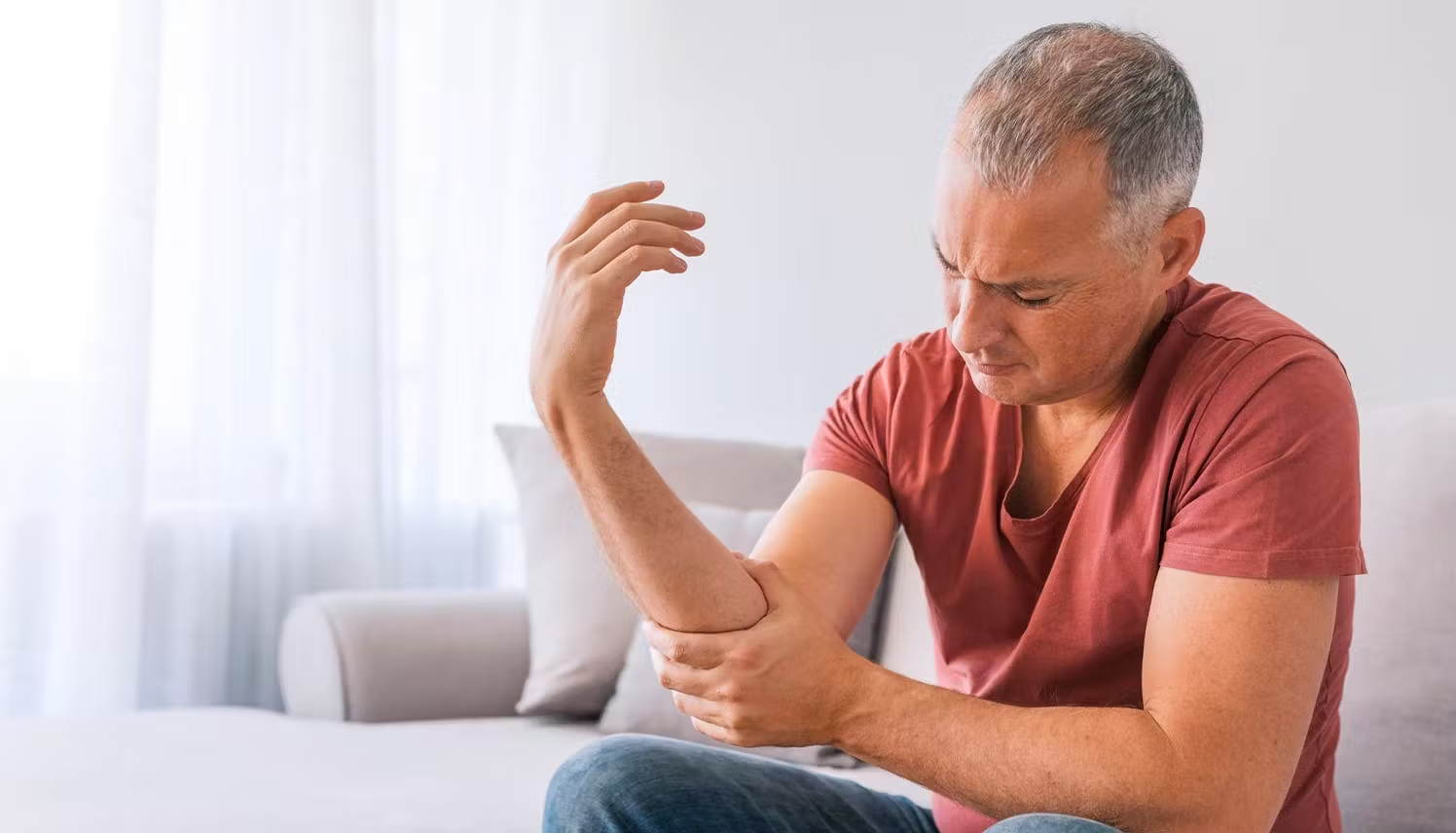
Call Boston Neuropathy Center at 781-235-7391 to schedule your complimentary consultation and discover a better path to health and healing. There is hope—let us help you find it!
Muscle weakness is one of the most overlooked but serious symptoms of Peripheral Neuropathy. Many patients first notice difficulty climbing stairs, gripping objects, or even standing for long periods. This weakness is not simply a matter of fatigue—it reflects damage to the nerves responsible for sending signals to your muscles. Over time, untreated neuropathy-related weakness can progress, making everyday activities more challenging and increasing the risk of falls and injuries. At Boston Spine and Neuropathy Center, our goal is not to mask the problem with medication but to address the underlying cause of nerve dysfunction. Through non-invasive, FDA-approved therapies, we focus on restoring proper nerve communication so muscles can regain strength, coordination, and endurance. Our treatments at Boston Neuropathy Center are designed to address the cause of burning sensations rather than just masking the pain. Using non-invasive, FDA-approved therapies, we aim to repair nerve damage and restore proper nerve function, helping patients experience lasting relief. Our specialists take a comprehensive approach to diagnosing and treating leg pain. Using advanced diagnostics, we pinpoint the source of the pain and implement tailored, non-invasive therapies. From improving nerve function to reducing muscle tension and increasing mobility, our treatments are designed to help you find lasting relief.
Peripheral Neuropathy affects the peripheral nerves—the communication network between the brain, spinal cord, and the rest of the body. When these nerves are damaged, the muscles they control no longer receive the right signals, leading to weakness, imbalance, and loss of coordination. For some patients, weakness develops gradually and may be mistaken for normal aging. For others, it appears more suddenly and progresses quickly. If left untreated, this weakness may worsen, potentially limiting mobility and independence.
Patients may also experience “positive” neuropathy symptoms such as tingling, burning, or stabbing pain,
along with “negative” symptoms like numbness and loss of reflexes. The combination of pain and weakness
can severely disrupt daily life.
Muscle weakness caused by Peripheral Neuropathy often presents alongside other symptoms, such as:
Conventional treatments typically involve medications that dull nerve pain but do not repair the damaged nerves. While these may provide temporary relief, they do nothing to restore muscle strength or coordination. Patients often feel trapped in a cycle of increasing weakness and dependence. Some neuropathies develop gradually, others suddenly. Patients may experience weakness, difficulty walking, or balance issues due to lost sensation. These symptoms often result in falls and injuries, yet go undiagnosed without specialized testing. Left untreated, symptoms worsen, potentially leaving patients unable to walk or suffering relentless, excruciating pain, especially at night.
Current medical treatments offer no cure for Peripheral Neuropathy. Powerful medications only dull the brain’s pain response without repairing nerve damage. Many patients find this "drugged" existence intolerable, yet feel trapped with no alternatives. Some neuropathies develop gradually, others suddenly. Patients may experience weakness, difficulty walking, or balance issues due to lost sensation. These symptoms often result in falls and injuries, yet go undiagnosed without specialized testing. Left untreated, symptoms worsen, potentially leaving patients unable to walk or suffering relentless, excruciating pain, especially at night.
Are you experiencing weakness, loss of mobility, or difficulty with daily activities due to neuropathy? Don’t wait until symptoms worsen. There is hope—and we can help. 📞 Call Boston Spine and Neuropathy Center today at (781) 235-7391 to schedule your complimentary consultation. Take the first step toward restoring strength, balance, and independence with proven, non-invasive therapies. Our advanced, non-invasive therapies provide real results without the need for harsh medications. It’s time to reclaim your life and take the first step toward lasting relief.
Call Boston Neuropathy Center at (781) 235-7391 to schedule your complimentary consultation and discover a better path to health and healing. There is hope—let us help you find it! Our advanced, non-invasive therapies provide real results without the need for harsh medications. It’s time to reclaim your life and take the first step toward lasting relief.
Peripheral Neuropathy refers to damage to the peripheral nerves, which connect the brain and spinal cord to the rest of the body. This condition disrupts nerve signals, causing symptoms such as pain, numbness, and weakness. It affects over 20 million Americans, often due to diabetes, statin medications, or other systemic conditions.
Symptoms include two types of signs:
Patients describe symptoms differently, and traditional medical training may not focus on recognizing and addressing nerve damage. This can lead to misdiagnoses and treatments that mask symptoms rather than resolve the underlying issue.
Current medical treatments use powerful medications to dull the brain’s pain response. However, these do not repair nerve damage, leaving patients feeling "drugged" without addressing the root cause.
At Boston Neuropathy Center, we focus on treating the underlying nerve damage using advanced, non-invasive therapies. Our goal is to provide effective results without relying on harsh medications, helping patients reclaim their quality of life.
Contact us at (781) 235-7391 to schedule your complimentary consultation. We’ll help you explore personalized treatment options and take the first step toward lasting relief. There is hope—let us help you find it!
Adding {{itemName}} to cart
Added {{itemName}} to cart